
Pond Maintenance 101: How Often Do You Need to Clean a Pond?
A pond is an open environment. It’s exposed to external elements and creatures all-day.
Without proper maintenance, dirt and waste can make it look run down.
So, how often should you clean your pond? What kind of pond maintenance should owners take note of?
When is the best time to clean your pond?
Debris, such as leaves and fish waste, accumulate in your pond. When not removed, they decompose, release toxic gases, and harm your pond’s ecosystem.
Too much toxin in the water can keep the pond from getting the sunlight and oxygen it needs. Lack of oxygen can be dangerous for your fish.
So, when should you clean your pond? And how often should you do it?
A good look at your pond should give you clues. But deep cleaning at least once a year would be great.
A full cleaning during early spring helps prepare the pond for the warm months ahead. This schedule is ideal for water gardens.
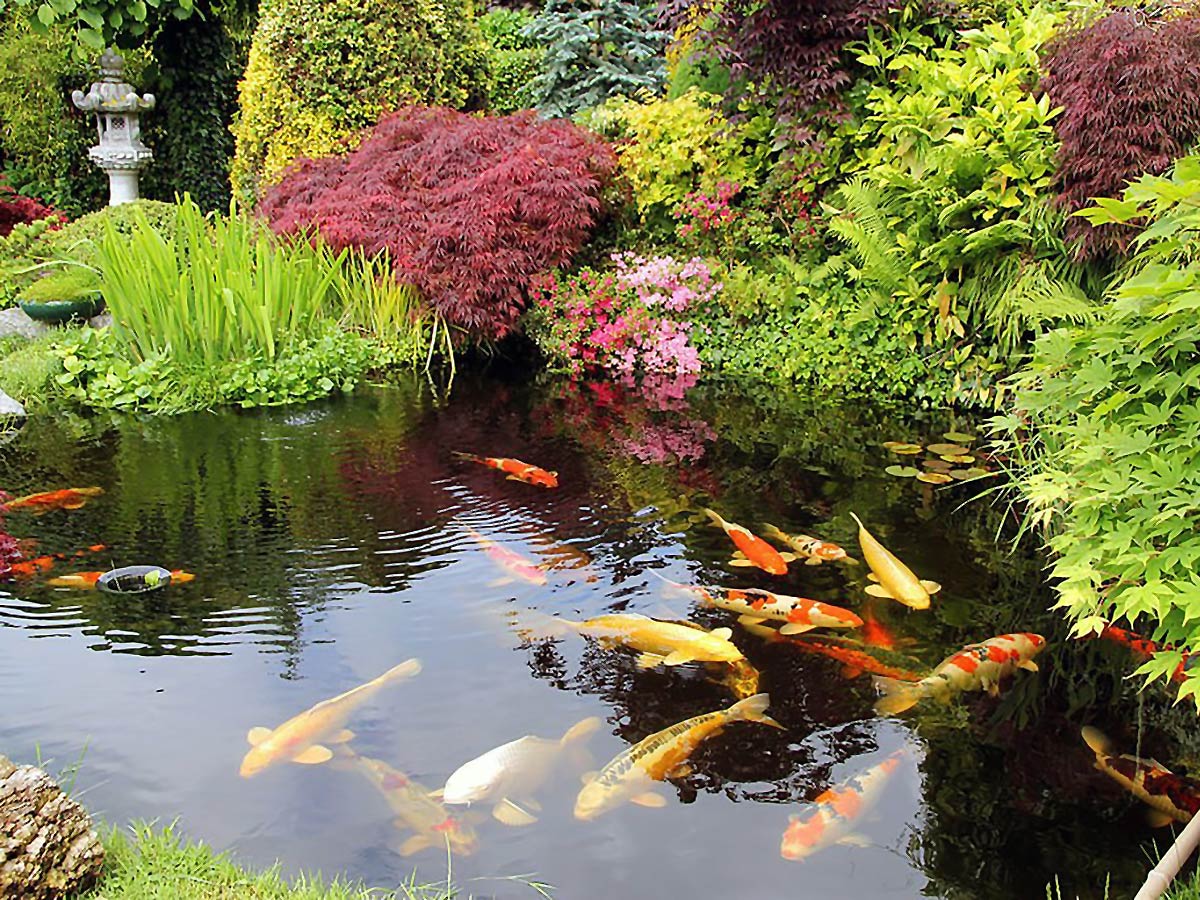
For a koi pond or ponds with fish, cleaning is usually done during fall season as preparation for the coming cold months.
Why you shouldn’t miss spring pond cleaning
Cleaning during the pond’s healthiest season is important.
Fish are most active during spring. It’s the time when they get back to their feet after being dormant in the water.
As the temperature becomes warmer, plants consume more nutrients in the water, starving their algae competitors. Beneficial bacteria also start growing, helping fight algal bloom and clearing the water.
Keep in mind, though, that the amount of spring cleaning work necessary depends on the condition of your pond during winter.
Preparing your water feature for the cold season is crucial to keep cleaning minimal once the water temperature increases.
Don’t wait for the water to get too warm to start cleaning. Start work during early spring.
Encouraging the flow of oxygen to reduce algal bloom
If you’re starting to see dead fish or fish gasping for breath, it can be due to a lack of oxygen. Aeration is crucial for their survival and for the pond ecosystem to thrive.
Winter depletes oxygen supply. The pond can’t decompose algae, and runoff settles at the bottom of the pond. Once the winter is over, debris combines with the rest of the water.
By ensuring aeration, you keep the pond from stagnating. Stimulating water movement increases the oxygen supply in the water and helps impede excessive algae growth.
Aeration also supports good bacteria that eat nutrients and starve bad plants. Another way to increase oxygen levels in the water is to remove unwanted plants so they won’t settle at the bottom and rob your fish and plants of oxygen.
Cleaning pond skimmers to ensure full performance
A skimmer is an essential pond equipment. It’s a mechanical filter that skims or collects debris that passes through it.
Waste buildup is a common issue in water gardens. If organic materials linger in the pond, they settle at the bottom, decay, and increase ammonia levels. By installing and running a pond skimmer, you can help keep this from happening.
But, of course, like any equipment, a pond skimmer needs a little help to ensure full performance. As part of your weekly routine pond maintenance, remove debris the skimmer has collected. You can do this by hand or using a pump.
Take out filter pads and media nets as well and rinse them thoroughly. If your pond skimmer has a drain kit, clean the media and filters in its valve. Reattach them all after cleaning.
Planning repairs and upgrades for your water feature
Spring pond maintenance also involves planning repairs and upgrades.
With pond repairs, you’re left with no choice. If an issue occurs, you must address it as soon as possible to keep it from progressing.
Your filter might get broken, or your liner may have leaks. Either way, there’s no telling when a problem will arise. Keeping your pond well-maintained is your best defense against complex repairs.
Problems may still arise, but chances are they’ll be minimal and cheaper to address.
As for renovations, you can start thinking about them during spring and carrying out changes during fall.
If there’s anything you want to improve in your water garden project, discuss it with a professional pond builder. This way, you save time as you’re working with an experienced team.
Designing and constructing ponds requires skills that aren’t acquired overnight. Sure, you might find DIY instructions online. But a perfect pond makeover demands a thorough understanding of pond ecosystems, which takes years of experience.
Basic pond maintenance steps
- Transfer fish. Put your fish into a holding tank and cover it with a net to keep fish in and the predators out. Then, place the tank in a shady area. A temporary container doesn’t have to be an actual tank. For example, you can use a child’s inflatable tool.
- Remove water. Removing up to half of it helps clean the pond, especially if you have lots of fish. Topping up replenishes water lost due to evaporation and keeps the water level ideal. When draining the pond, keep the pipe away. Move it every once in a while once the ground gets saturated to prevent the water from pooling.
- Clean the pond. Clear the surface of floating debris. If you must empty the pond, power wash from top to bottom. Pay attention to the rocks where algae and debris can be trapped or hidden.
- Inspect the pump and filters. Staying on top of maintenance helps minimize issues down the road. Regular cleaning helps keep your pump and filters from getting clogged. Skimming debris also helps the water flow freely.
- Perform treatments. Natural water treatments help supply your pond with the nutrients and beneficial bacteria they need to thrive. Be sure you’re using the right products as recommended by your pond builder.
- Bring the fish back. Scoop clean or treated pond water to a container, and then move your fish there from the holding tank. This will help acclimate them before bringing them back to the pond
Is there such a thing as too much pond cleaning?
Should you add chemicals? Is there enough water to support your fish? Are your pond filters working well?
If you’ve been religious in maintaining your pond but don’t see any improvements in its quality, you may be doing some things incorrectly. This is why hiring a professional pond contractor helps.
Not enough water volume can be harmful to your fish. If there are too many fish for the pond size and water volume, they can get sick or die. Too many water treatments can also be counterproductive for your pond.
If the water is still unclear, double-check your filters. They may need more frequent cleanings. Consider using mechanical and biological pond filters to improve and maintain healthy water quality.
Try to check your pond’s nitrate and pH levels as well. Nitrate is food for algal blooms, and too much of it means algae can multiply faster. Beneficial bacteria that break down nitrate might not be able to catch up.
A high pH level can also lead to algae growth. If these pond care aspects sound too technical, don’t hesitate to seek professional help.
Debunking pond maintenance myths
Not all things you hear about pond care are true. Here are maintenance myths worth ignoring, as pond owners.
1. Smaller ponds are easier to maintain.
It might not seem like it, but bigger ponds are more stable environments, making them easier to maintain.
A bigger pond takes fewer steps to maintain and more effort to destroy or throw out of balance.
If you have a small pond, you’ll have to kneel and bend your back to clean it. But if you have a bigger pond, you can go inside the pond and take out surface debris by hand.
2. Ponds need daily testing.
Even a professional pond builder won’t recommend doing so.
Natural bodies of water do well with no water testing involved. And the goal is to create and maintain a water feature project that replicates such conditions.
A balanced pond doesn’t rely on artificial water treatments to thrive. By adding efficient filtration systems and ensuring routine cleaning, you can keep the ph levels suitable for aquatic life.
Given that chemicals can reach the pond, say you’re using fertilizers for your lawn, your pond still doesn’t have to be tested daily.
3. Water feature maintenance is a pain.
Are you unsure about replacing your lawn or green grass with a water feature, worried it would be harder and costlier to maintain?
A well-designed, built, and maintained pond shouldn’t require constant work. Of course, maintenance is necessary. But you need not use up all your free days or hours for it.
This is why it’s crucial to entrust the pond design and installation with an expert team. The water feature should be low upkeep from the get-go.
4. Ponds will only attract mosquitoes.
Mosquitoes love a stagnant environment. And a pond is almost always moving, as it should. It has pumps, fish, and creatures that all trigger activity.
A healthy pond can even help keep mosquitoes at bay, with the help of predators chasing them. If there are mosquitoes within your property, look for areas that attract standing water.
There may be water puddles in your yard or empty containers that collect water.
5. You have to zero in on algae.
You don’t have to remove all algae in your pond, but you have to keep them under control. Too much of them are harmful to your pond.
Too clean water and too many treatments won’t create a natural environment either. An outdoor pond is different from a pool. It doesn’t have to be pristine or fit for swimming in.
Instead, you’ll want your pond to look and function as naturally as possible. Adding aquatic plants, rocks, and gravel will help keep algae levels low.
6. Anyone can maintain ponds.
Not everyone can look after ponds. Sure, anyone can do simple pond cleaning. But you still need to ensure you’re doing the basic steps right.
At AquaLife Ponds, we’re composed of dedicated pond specialists. You can keep peace of mind you’re getting the most out of your water feature investment.
We show you how proper pond care works. We help you reduce maintenance work and enjoy your pond better.
Should you DIY pond maintenance work?
Well, you could. But the job is messy and time-consuming.
Without enough knowledge and experience, it could take a lot longer (and costlier) than necessary. If you aren’t ready to trade your precious time off, hire professionals.
Your custom pond project should have you relaxing more and working less in your yard.
If you’re in Southern California and need assistance in keeping your pond balanced, healthy, and thriving, contact us today at (949) 244-8164.
Helping people and enhancing lives with water features are our passion here at AquaLife Ponds. And we’re always happy to serve our Southern Californian neighbors.