
6 Simple Ways to Keep Your Southern California Pond Healthy This Fall
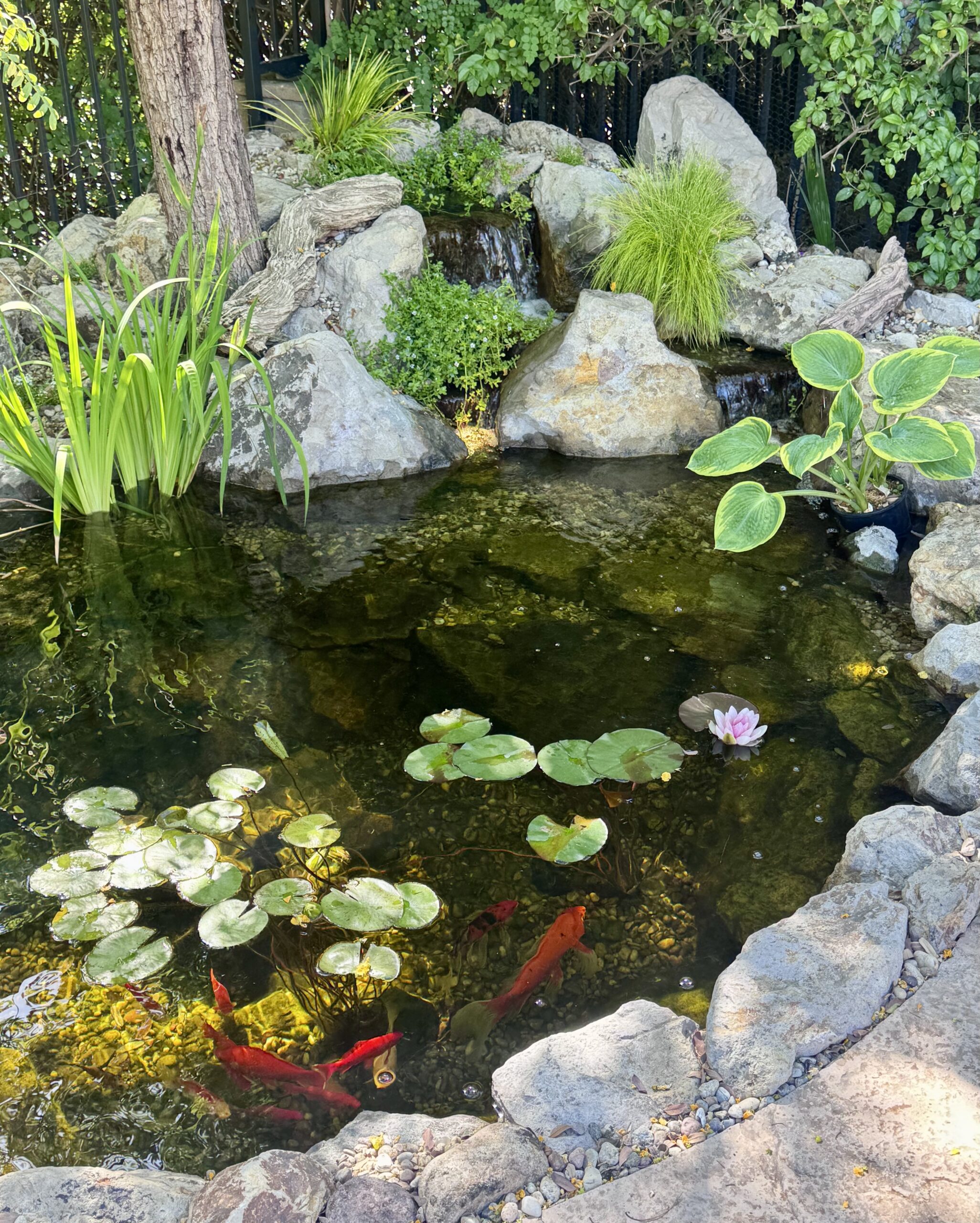
Fall is a wonderful time to enjoy a backyard pond. Waterlilies may still be blooming, koi remain active, and the sound of moving water makes the yard feel peaceful.
In Southern California, fall weather can vary quite a bit depending on where you live. Along the coast in areas like Newport Beach, Huntington Beach, Dana Point, San Clemente, Long Beach, temperatures typically remain mild, while inland areas such as Corona, Orange, Fullerton,North Tustin and Yorba Linda can experience warmer afternoons and cooler evenings. These changing conditions, along with seasonal debris and occasional Santa Ana winds, can all affect your pond.
Warm water cannot hold as much oxygen as cool water. At the same time, fish may still be active and need plenty of oxygen. Continued sunlight and warm temperatures can also encourage algae growth, while changing temperatures and seasonal winds can affect water levels and introduce additional debris.
The good news is that most fall pond problems can be prevented with proper routine maintenance and professional monitoring. A few simple observations by the homeowner, combined with regular professional care, can help keep the water clear, the fish comfortable, and the plants healthy.
1. Check the Water Level Often
Pond water can still evaporate throughout the fall, especially during warmer or windy periods in Southern California.
Some water loss is completely normal. Warm temperatures, sunshine, coastal breezes, inland winds, waterfalls, and streams all contribute to evaporation. During especially warm and dry periods, we’ve seen swimming pools lose up to an inch of water per day. Because ponds contain much less water and continuously circulate it over waterfalls and streams, noticeable daily water loss is common.
It’s a good idea to periodically observe your pond’s water level and notify your pond maintenance professional if you notice any significant changes. Your maintenance professional can determine whether the water loss is normal evaporation or something that should be investigated further.
When the water gets too low, the pump may begin pulling in air. This can slow the water flow or damage the pump. A low water level may also cause the pond to warm up faster.
If additional water is needed, it should be added carefully. City water may contain chlorine or chloramine, which can harm fish and the helpful bacteria in the pond. A pond professional can ensure the proper water treatments are added to safely protect your pond’s ecosystem.
A small amount of water loss each day may be normal. A sudden drop may point to a leak. If your pond loses several inches overnight, contact your pond maintenance company so the system can be inspected.
2. Give Your Pond Plenty of Shade
Even though temperatures begin to cool in the fall, Southern California can still experience plenty of sunshine and warm afternoons. Shade can help protect the pond from continued sunlight.
Aquatic plants are one of the easiest ways to create natural shade. Waterlilies and floating plants spread across the surface and block some of the sun.
Professionally selected and maintained aquatic plants help provide the right balance of shade while supporting the overall health of the pond.
Helpful shade plants may include:
- Waterlilies
● Water lettuce
● Water hyacinth
● Mosaic plant
● Lotus in larger ponds
These plants help keep the water cooler. They also use nutrients that might otherwise feed algae.
Fish enjoy resting under lily pads and floating plants. The leaves offer shelter from the sun and help fish feel safe from birds and other animals.
As fall progresses, a pond professional can also help manage plant growth and prepare aquatic plants for the cooler months ahead. A nearby tree, pergola, or patio cover may also add shade, but trees that drop large amounts of leaves, flowers, or seeds into the pond can create additional maintenance.
A pond professional can also help ensure plant growth doesn’t become excessive and interfere with proper water circulation.
3. Stay Ahead of Leaves and Extra Debris
Fall can bring additional leaves, flowers, seeds, and other landscape debris into your pond, particularly during windy conditions. Leaves, faded flowers, fish waste, and other debris can break down in the water.
As this material decays, it releases nutrients into the pond. These nutrients can feed algae and make the water cloudy. Decaying debris also uses oxygen that fish need.
Routine professional maintenance helps remove debris before it has a chance to impact water quality. Emptying skimmer baskets, cleaning filters, trimming aquatic plants, and removing excess organic matter are all part of maintaining a healthy pond ecosystem.
This is especially important after periods of strong wind, when larger amounts of landscape debris can quickly make their way into the pond.
Professional technicians also know how to properly clean filtration components without disturbing the beneficial bacteria your pond depends on.
Do not overclean the pond. A healthy pond does not need to look like a swimming pool. A light layer of algae on rocks is normal and can provide food for fish.
The goal is to remove extra waste while protecting the pond’s natural balance.
4. Keep Water Moving and Add Oxygen
Oxygen remains especially important as fall temperatures fluctuate.
Warm water holds less oxygen than cool water. Fish, pond plants, and helpful bacteria all need oxygen to stay healthy.
Your waterfall and stream help add oxygen as water splashes over the rocks. During routine maintenance visits, your pond professional should also verify that pumps, waterfalls, and circulation systems are operating properly.
Fall winds and seasonal debris can also contribute to blockages or changes in water flow. Your maintenance professional should check for problems that may slow the system, such as:
- A full skimmer basket
● A dirty filter pad
● Leaves around the pump
● String algae near the intake
● A blocked pipe
A pond aerator can add even more oxygen. It sends bubbles into the water and helps move deeper water toward the surface.
Aeration can be very helpful at night. Plants produce oxygen during the day, but they use oxygen after the sun goes down. Oxygen levels are often lowest just before sunrise.
As temperatures begin to fluctuate throughout the fall, maintaining proper aeration and circulation can help support a stable pond environment.
Good water movement is one of the most important parts of Southern California fall pond care.
5. Watch Your Fish for Warning Signs
Your fish may be the first to show that something is wrong.
Simply observing your fish during the week can provide valuable insight into the health of your pond between scheduled maintenance visits.
Watch for signs such as:
- Gasping at the surface
● Gathering near the waterfall
● Staying close to the aerator
● Swimming slowly
● Hiding more than usual
● Rubbing against rocks
● Losing interest in food
Fish gathering near moving water may be looking for more oxygen. Gasping at the surface can also mean oxygen levels are too low.
If you notice unusual behavior, contact your pond maintenance company promptly so the system can be evaluated before conditions worsen.
Fall can bring changing water temperatures, which may affect fish activity and feeding patterns. Poor water quality, too much waste, and sudden temperature changes can make that stress worse.
Early professional intervention can often help identify and correct underlying issues before they become larger problems.
6. Keep the Pond Ecosystem Balanced
A healthy pond works as one complete system.
The pump moves water. The skimmer collects debris. The filter removes waste. Plants create shade and use extra nutrients. Helpful bacteria break down fish waste.
When one part stops working well, pond problems can begin.
A balanced pond should have:
- Steady water circulation
● Plenty of oxygen
● Working filters
● Healthy aquatic plants
● Shade for fish
● Regular debris removal
● The right number of fish
Too many fish can create more waste than the filter can handle. This may lead to cloudy water, algae, and low oxygen.
Avoid adding several pond treatments at once when the water does not look right. Products can help in some cases, but they should not replace a properly maintained filtration system and ongoing professional pond care.
Green water, for example, may be caused by too much sunlight, extra nutrients, poor filtration, or not enough plants. Identifying the root cause is essential, and a pond professional can recommend the most effective long-term solution rather than simply treating the symptoms.
Enjoy Your Pond All Fall
A backyard pond should be a relaxing place, not a source of stress.
Regular professional maintenance helps ensure your water levels, filtration, circulation, plant health, and overall ecosystem remain balanced throughout the fall season. Simply keeping an eye on your pond and notifying your maintenance company if you notice changes can go a long way toward preventing larger issues.
As the seasons change, professional pond care is especially important for keeping up with changing temperatures, falling debris, plant growth, and water levels.
AquaLife Ponds helps homeowners throughout Southern California care for ponds, koi ponds, waterfalls, and other water features. If your pond stays cloudy, loses water, or does not seem balanced, professional help can find the cause and create a lasting solution.
With the right Southern California fall pond care, your water feature can stay clear, healthy, and beautiful throughout fall and into the cooler months ahead.